




The Top Three Reasons to Visit Your Dentist Every Six Months
You might think that delaying your dental appointments isn’t a big deal. After all, you brush your teeth every day and floss when you remember. Your teeth look fine, and you don’t have any major pain, so why do you need to go to see us at Kensington Square Dental every six months? Because those six-month visits are crucial for your health.
There are three primary reasons for six-month dental check-ups: a thorough cleaning, catching problems before they become expensive and painful, and supporting your overall well-being. The six-month recommendation isn’t arbitrary. We recommend regular dental checkups as part of your healthcare routine because your oral health impacts your general health.
1. A clean you can’t get at home
Brushing and flossing daily are important for oral health, but even our most diligent patients cannot prevent plaque and tartar buildup entirely. While electric toothbrushes and waterpiks help, even the most advanced at-home tools can’t match the effectiveness of dental tools wielded by your dental hygienist. There is simply a level of cleanliness you just can’t get at home.
When you come to our clinic in Burnaby for your six-month dental appointment, your dental hygienist gives your teeth a deep cleaning. Using specialized tools, they get below the gum line, to the backs of teeth, and in those hard-to-reach spaces between your molars. This deep cleaning is crucial for preventing tooth decay, gum disease, and other oral health issues.
2. Catch problems early
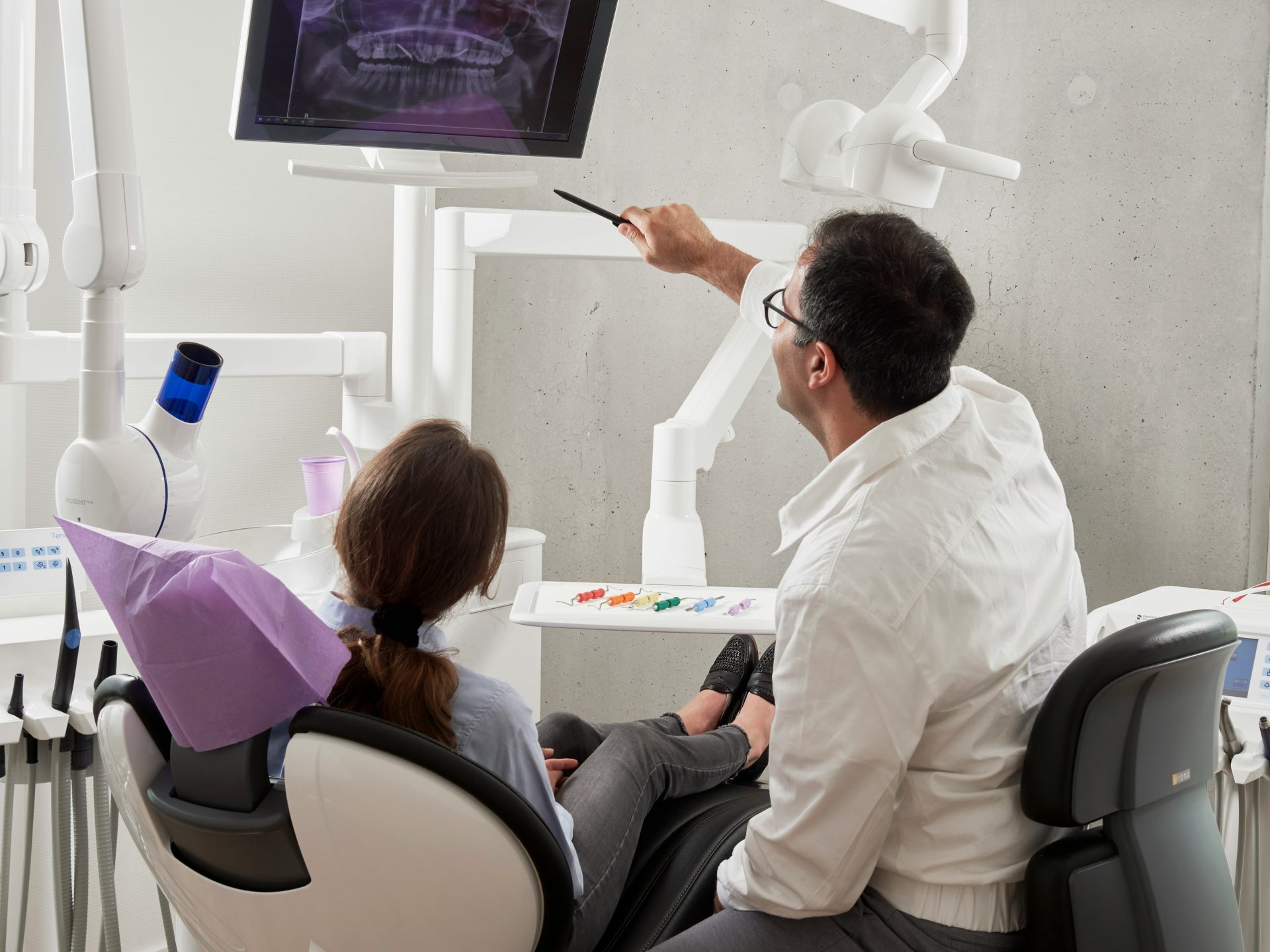
By the time you are experiencing aches and pains, the dental problem has progressed beyond a minor issue. A regular six-month checkup isn’t just about the deep cleaning; it’s an opportunity for us to look for and catch things like inflammation in your gums, the start of a cavity, or a small crack in your tooth. By finding these problems early, we can offer treatment solutions before the problem becomes painful and more expensive.
3. Preventative for overall health
Did you know that your oral health is closely tied to your overall well-being? Infections, inflammation, and disease in your mouth can be spread to other areas of your body. In fact, poor oral health is linked to heart disease and diabetes. Regular visits to the dentist help us catch infections and diseases early on. Early detection means we are able to treat the problem before it worsens and spreads to negatively affect other areas of your body.
Why you need to see your dentist every six months
At Kensington Square Dental, we believe that preventative healthcare is the best practice. While a brushing and flossing routine is part of preventative oral healthcare, it is not the whole picture. Seeing a dentist every six months helps to reduce plaque, tartar, and bacterial growth in your mouth. It allows us to scan for and detect concerns like gingivitis, the wearing away of enamel, gum recession, oral cancer, and chipped, cracked, or eroded teeth. Catching these issues early creates better healthcare outcomes and helps to reduce the incidence of pain or discomfort, and can help save you on your dental expenses.
If you haven’t visited us in a while, we encourage you to call our office, and a member of our reception team will help you schedule an appointment.
Frequently Asked Questions
01. WHY DO I NEED TO SEE A DENTIST EVERY SIX MONTHS?
Six-month dental visits are important for maintaining your oral and overall health. These visits allow for a thorough cleaning, early detection of dental problems, and monitoring for issues that could negatively affect your overall well-being.
02. WHY CAN’T BRUSHING AND FLOSSING AT HOME FULLY REPLACE A DENTAL CLEANING?
Even diligent brushing and flossing cannot completely prevent plaque and tartar buildup. During a professional cleaning, dental hygienists use specialized tools to clean below the gum line, behind teeth, and in hard-to-reach spaces that are difficult to clean at home.
03. WHAT PROBLEMS CAN A DENTIST CATCH DURING A REGULAR CHECKUP?
A regular dental checkup allows dentists to identify issues like gum inflammation, cavities, small cracks in teeth, gingivitis, enamel wear, gum recession, oral cancer, and chipped or eroded teeth before they become more serious or painful.
04. HOW DOES ORAL HEALTH AFFECT OVERALL HEALTH?
Infections, inflammation, and disease in the mouth can spread to other areas of the body. Poor oral health is linked to conditions such as heart disease and diabetes.
05. WHAT ARE THE BENEFITS OF CATCHING DENTAL PROBLEMS EARLY?
Early detection creates better healthcare outcomes by allowing treatment before problems worsen. It can help reduce pain or discomfort and may also help reduce future dental expenses.